Case Studies
Adulterated Palm Oil: A Case Study in Market Trust and Regulation
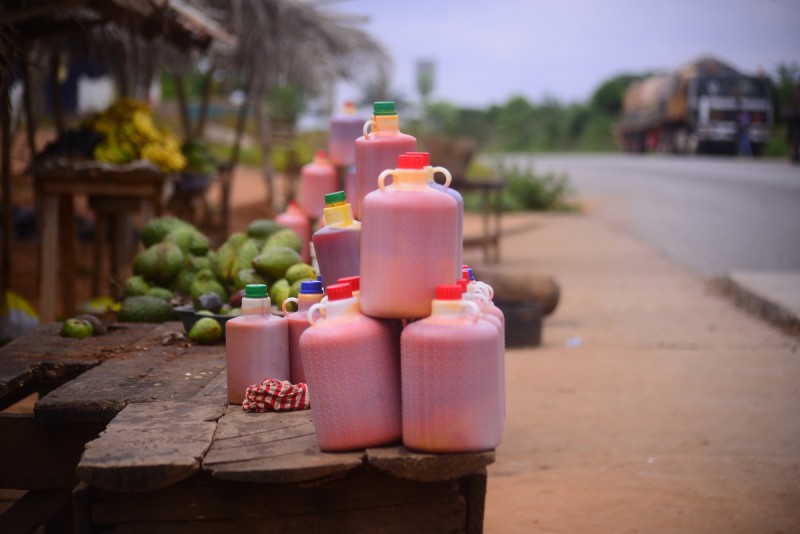
Palm oil is one of Africa’s most valuable commodities — dubbed “red gold” for its rich color and economic power. It fuels household cooking, industrial food production, cosmetics, and even biofuels. Yet beneath its growing global demand lies a silent crisis that threatens both consumer trust and Africa’s trade reputation: adulterated palm oil.
Across markets in Nigeria, Ghana, Cameroon, and beyond, adulteration — the practice of mixing pure palm oil with dyes, chemicals, or inferior oils — has become an alarming reality. This practice does not just damage health, but also undermines market integrity, export potential, and Africa’s global credibility.
This article examines the issue through the lens of trust and regulation, showcasing real-life examples and lessons for Africa’s palm oil industry.
The Roots of Adulteration
Palm oil adulteration is not new. For decades, small traders have sought shortcuts to boost profits. The methods are varied:
- Adding sudan dye (a banned industrial chemical) to enhance redness.
- Mixing palm oil with cheaper vegetable oils like soybean or groundnut oil.
- Extending shelf life with harmful preservatives.
Why does this persist? Three main reasons:
- Weak regulation at local market levels.
- Consumer obsession with “redder oil” as a marker of quality.
- Profit pressure in informal markets where price competition is brutal.
Health Risks and Consumer Awareness
The health risks are serious. Sudan dyes, often used to fake the natural deep-red hue, are carcinogenic. Continuous consumption has been linked to liver and kidney damage. Yet, in many African markets, consumers lack awareness of these dangers.
A 2022 NAFDAC (Nigeria’s food regulatory body) report warned that adulterated oils sold in open markets remain one of the leading causes of food poisoning and chronic digestive illnesses in rural and urban households. Ghana’s Food and Drugs Authority has raised similar concerns, issuing bans on oils found to contain chemical dyes.
Case Study: Nigeria’s Market Struggles
Take Mile 12 Market in Lagos, Nigeria — one of West Africa’s largest food trading hubs. Here, the demand for brightly red oil drives adulteration. Traders have admitted in undercover investigations that buyers often reject natural, lighter-hued oils, believing them inferior.
This perception forces honest producers into a lose-lose situation:
- Sell pure oil and risk losing customers.
- Adulterate oil to match consumer expectations, but compromise integrity.
Regulators like NAFDAC and SON (Standards Organisation of Nigeria) conduct raids and public awareness campaigns, but the scale of informal trade makes enforcement difficult.
Case Study: Ghana’s Regulatory Crackdown
Ghana presents a different story. In 2018, Ghana’s Food and Drugs Authority (FDA) seized thousands of liters of adulterated palm oil containing Sudan IV dye. The scandal shook public trust, prompting stricter measures.
The FDA introduced:
- Market inspections and random testing of palm oil.
- Certification labels for approved oils.
- Consumer education campaigns under the theme: “Not All Red Oil is Safe Oil.”
The crackdown restored some level of trust, but challenges remain, especially in rural regions where informal sales dominate.
The Trust Deficit in Global Markets
Adulteration has a direct impact on exports. Buyers in Europe and North America demand traceability and safety certifications. A single shipment found to contain adulterants can lead to port rejections, bans, and loss of entire trade contracts.
For instance, in 2019, a shipment of Nigerian palm oil was rejected at a UK port after testing revealed contaminants. The incident dented Nigeria’s already fragile export reputation, reinforcing the perception that African palm oil lacked consistent quality standards.
Why Regulation Alone Isn’t Enough
Regulation is critical, but it cannot solve the problem in isolation. In most African countries, the palm oil trade is deeply fragmented:
- Thousands of smallholder farmers produce fresh fruit bunches.
- Middlemen refine and distribute oil informally.
- Open markets dominate sales, with limited oversight.
This makes it nearly impossible for regulators to monitor every transaction. Instead, solutions must combine policy enforcement with market incentives.
Pathways to Restoring Trust
- Consumer Education:- Public campaigns must shift perceptions: “Redder is not better.” Only by educating consumers about the dangers of adulterated oil will demand for pure, certified oil rise.
- Traceability Systems:-Digital platforms and blockchain solutions are being piloted in Ghana and Côte d’Ivoire to track palm oil from farm to market. This builds transparency and confidence for buyers.
- Certification and Branding:- African exporters who invest in certifications like RSPO (Roundtable on Sustainable Palm Oil) and organic labels not only protect consumer trust but also access premium markets.
- Incentives for Compliance:- Governments can subsidize testing labs, offer tax breaks for certified producers, and create palm oil cooperatives that pool resources for quality assurance.
The Role of Traders in Building Trust
Ultimately, traders — not just regulators — hold the key to change. If exporters, wholesalers, and retailers collectively demand pure, tested oil, the incentives for adulteration will collapse.
For example, in Cameroon, a cooperative of exporters established internal quality checks before shipping any oil abroad. The result? Increased buyer confidence, fewer rejections, and higher prices for their members.
Conclusion: The Future of Trust in Africa’s Palm Oil
Adulterated palm oil is not just a health hazard — it is a trust crisis. Without action, Africa risks losing credibility in global markets where transparency and safety define competitiveness.
But there is hope. By combining strict regulation, consumer education, and market-driven incentives, Africa can turn the tide. Imagine a future where every bottle of palm oil sold in Lagos, Accra, or Douala carries a seal of trust, ensuring both safety for families and confidence for international buyers.
That future is possible — but only if Africa confronts the silent threat of adulterated palm oil today.